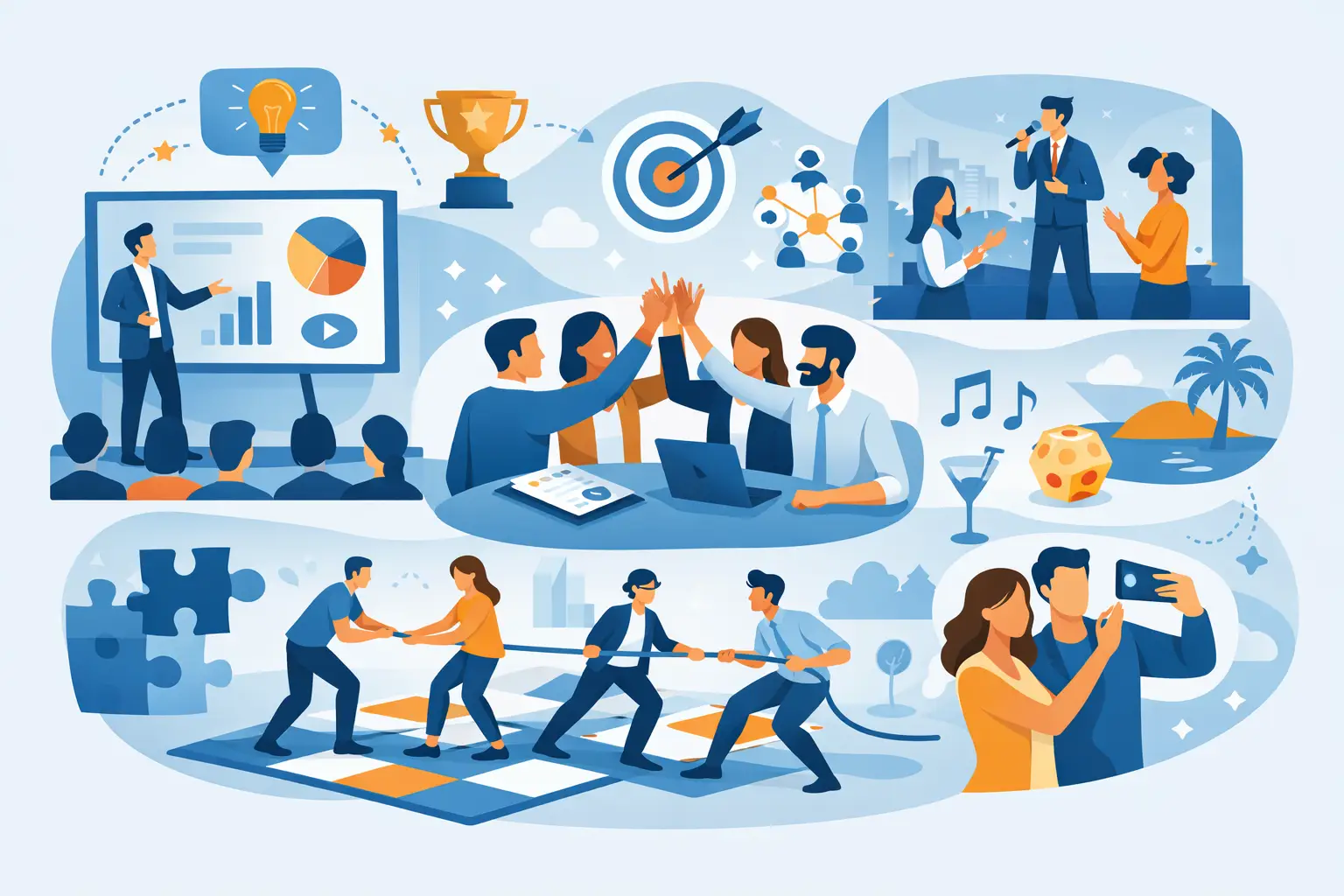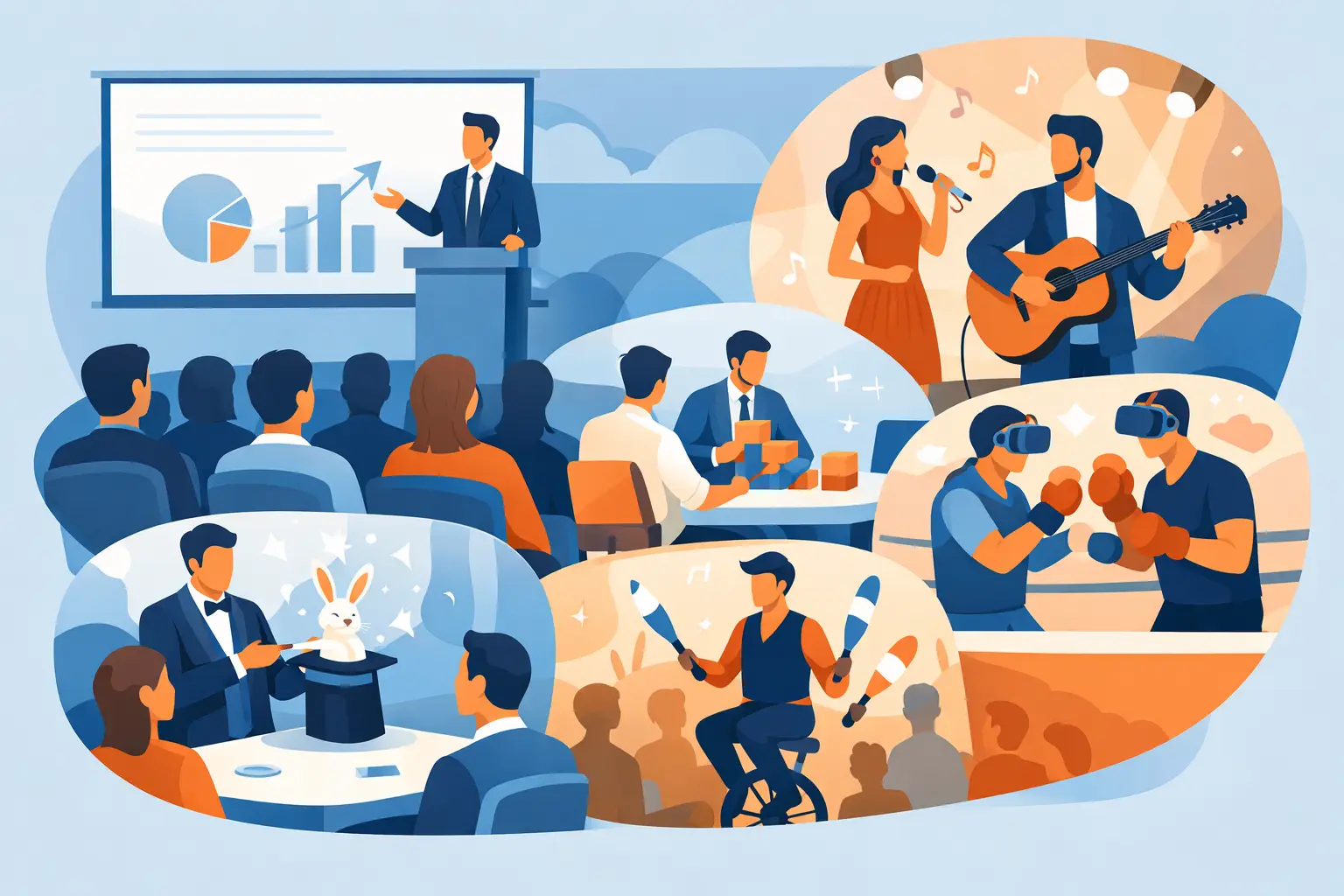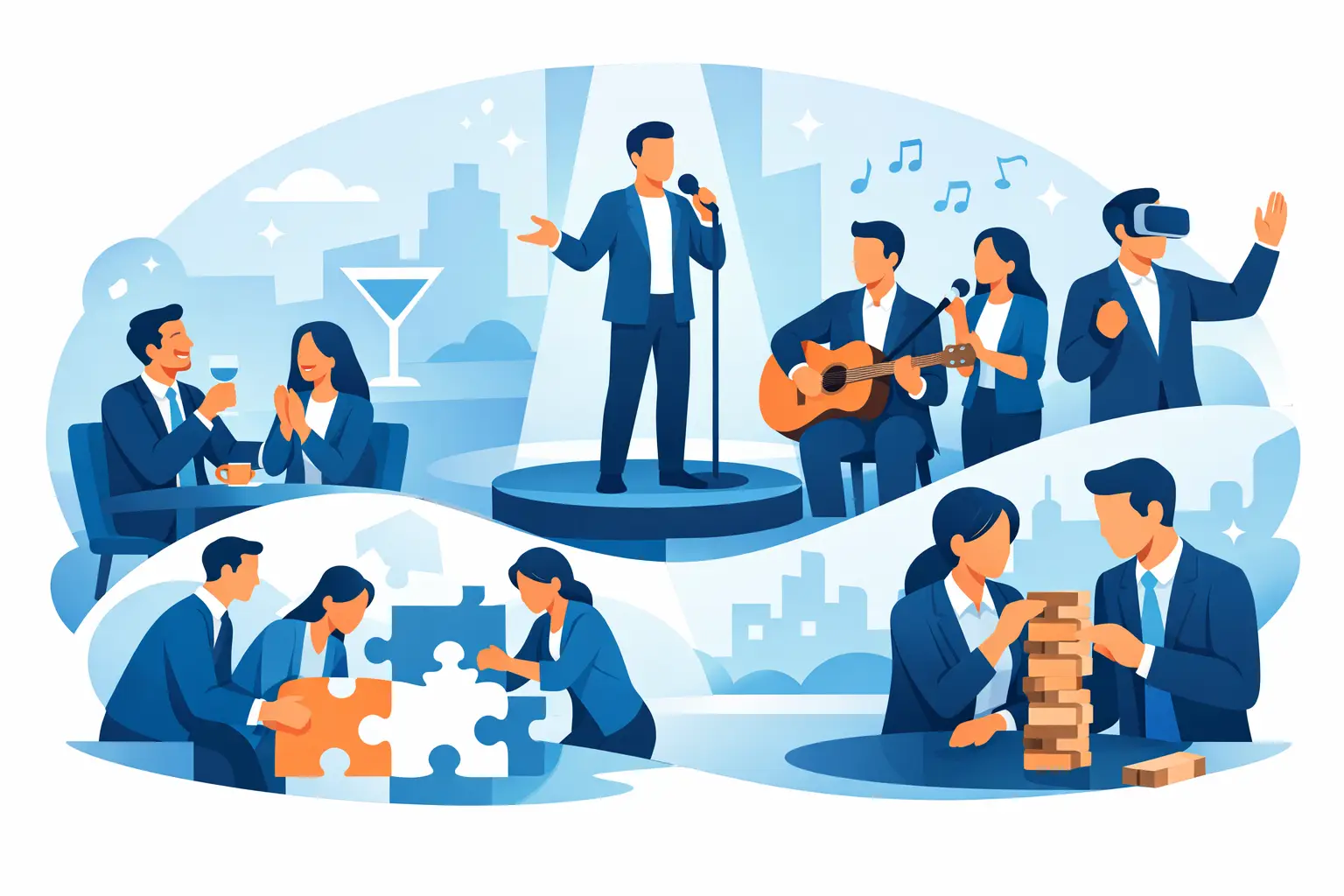
A conference can lose the room faster than most agendas admit. It usually happens in the gaps – the slow walk back from break, the dead space before a speaker starts, the after-lunch dip, the networking block that sounds good on paper but lands flat in real life. That is why corporate conference entertainment ideas matter. The right entertainment does more than fill time. It protects momentum, keeps people present, and makes the full event feel sharper.
For corporate planners, the real question is not whether to add entertainment. It is what kind of entertainment actually helps the event do its job. A high-value conference needs programming that feels professional, supports the agenda, and gives people a reason to stay engaged between the major moments. Entertainment should not compete with the business purpose. It should strengthen it.
What strong corporate conference entertainment ideas actually do
The best entertainment choices create energy with structure. That balance matters. If an activity feels too passive, attendees check out. If it feels too random, it can undercut the tone of the event.
Strong conference entertainment usually solves one of four problems. It lifts energy, improves transitions, creates interaction, or gives attendees a shared moment they will actually remember. The best options often do more than one at the same time.
This is also where many events miss the mark. Booking a standalone act may look exciting in the proposal stage, but if it only works for 20 minutes and has no connection to the flow of the day, it can feel disconnected. Entertainment works best when it is built into the rhythm of the conference.
11 corporate conference entertainment ideas worth considering
1. A live DJ paired with professional emcee hosting
This is one of the most useful formats for conferences because it does not live in a single time slot. A DJ and emcee combination can shape the energy of the full event – opening walk-in music, speaker intros, transition moments, awards segments, networking blocks, and end-of-day celebrations.
It works especially well for sales meetings, company kickoffs, and multi-session conferences where pacing matters. Music alone is not enough. Hosting alone is not enough either. Together, they create controlled energy. That means fewer awkward pauses, cleaner room resets, and a stronger attendee experience from start to finish.
2. Interactive trivia built around the audience
Trivia works because it gives people an easy reason to participate. It is low-pressure, highly flexible, and easy to tailor to a company, industry, theme, or conference message. It can also fit in places where a longer activity would not.
The trade-off is execution. Generic trivia can feel disposable. Well-hosted trivia with strong pacing and audience interaction feels much more intentional. It is especially effective during receptions, lunch sessions, general session transitions, or as a team-building element inside the agenda.
3. Walk-on music for speakers and award winners
This is a small move with outsized impact. Customized walk-on music adds polish, builds anticipation, and makes internal presenters feel like they are part of something bigger than a slide deck. It can elevate keynote intros, sales recognition moments, and executive appearances without adding extra agenda time.
It also helps the audience reset attention. Instead of another dry introduction, the room gets a cue that something is happening now.
4. Game show-style audience participation
If your event needs real energy, this format is hard to beat. A game show-style segment brings structure, pace, and crowd involvement in a way that feels organized rather than chaotic. It is particularly effective for conferences trying to break up dense content or bring teams together across departments.
This format does require a host who knows how to read a professional room. Corporate audiences do not want forced fun. They respond to activities that are fast, well-run, and clearly designed for them.
5. Music-driven networking sessions
Networking can be valuable, but it often starts cold. A curated soundtrack changes the feel of the room immediately. People move more naturally, conversations begin faster, and the space feels active instead of hesitant.
This works best when the music is intentional. The goal is not volume or nightclub energy. The goal is atmosphere. For receptions, sponsor activations, and welcome mixers, music helps remove friction and gives the event a stronger social pulse.
6. Branded audience shout-outs and live recognition
Recognition is a form of entertainment when it is done with timing and personality. Whether you are celebrating top performers, welcoming offices from different regions, or highlighting milestones, a hosted recognition moment can lift the room and make attendees feel seen.
This is especially useful for sales organizations and company-wide meetings. The key is pace. Recognition should feel energetic, not dragged out. Music stings, quick intros, and a confident emcee can turn standard acknowledgments into memorable moments.
7. Energizers between sessions
Not every entertainment idea needs to be a full segment. Sometimes the smartest move is a series of short energy resets across the day. That might include quick audience contests, music cues, live crowd prompts, or brief hosted interactions before the next speaker begins.
These micro-moments are effective because they prevent the event from going flat. They are also easier to fit into a tight agenda than a larger activation.
Matching the entertainment to the event
Not every conference needs the same kind of entertainment. A leadership summit may need polish and subtle energy. A sales kickoff often benefits from higher impact and more audience interaction. A user conference may need programming that supports networking and brand experience without taking focus off the content.
That is why entertainment planning should start with the event goals, not just the wish list. Ask what the room needs at specific points in the day. Do people need a reason to arrive early? A stronger transition into general session? A more active networking environment? Better participation after lunch? The answer usually points to the right format.
Corporate conference entertainment ideas for common problem spots
When the audience is low-energy
Go with entertainment that creates immediate response. Hosted trivia, walk-on music, and short game segments can bring people back fast. Passive entertainment usually will not solve a low-energy room.
When the agenda has awkward gaps
This is where a DJ and emcee format shines. Instead of treating downtime like dead space, it becomes managed time. The event keeps moving, attendees stay engaged, and the full production feels more intentional.
When networking feels forced
Music, hosted prompts, and light audience interaction can help people loosen up without making the session feel gimmicky. The best networking entertainment supports conversation instead of interrupting it.
When leadership wants professionalism without stiffness
Choose formats that are interactive but controlled. A polished host, strategic music, and business-appropriate audience engagement give you energy without losing credibility.
Why integrated entertainment outperforms one-off acts
A lot of planners think about entertainment as a block on the run of show. That is understandable, but it leaves value on the table. The strongest conference entertainment is often integrated across the full program.
That might mean music during arrival, speaker intros that feel elevated, audience interaction during transitions, trivia during lunch, and a hosted wrap-up that sends people out on a high note. Instead of one isolated moment, the event carries energy all day.
That is also why an interactive format tends to outperform entertainment that only asks attendees to watch. Corporate events are not concerts. They are shared business experiences. When attendees are invited to respond, play, compete, or be recognized, the event becomes more memorable and more useful.
For teams planning conferences in markets like San Diego, Los Angeles, Palm Springs, or Phoenix, where the bar for live experiences is often high, that difference matters even more. Attendees notice when the room feels flat. They also notice when the flow feels deliberate.
Kid Corona is built for that middle ground – professional enough for a corporate stage, interactive enough to keep the room alive.
The best entertainment choice is usually not the flashiest one. It is the one that supports your agenda, protects your pacing, and gives people a reason to stay fully in the room. If your conference has strong content, the right entertainment helps that content land better. And when that happens, the event does not just run. It moves.